A Step-by-Step Guide to Redesigning Your WordPress Site for Beginners
By Editorial Team |
Many experienced WordPress developers have undergone multiple website redesigns and accumulated valuable insights throughout the process.
Each redesign project reveals effective strategies and common pitfalls when refreshing a WordPress site's appearance.
Business owners frequently express concerns about website redesigns. They recognize their site requires updating but fear potential disruptions. This apprehension is understandable, as modifying a functioning website carries inherent risks.
This comprehensive guide outlines a proven methodology for WordPress redesigns. You'll discover a systematic approach to transform your WordPress website while maintaining business continuity.
The guide covers essential aspects including SEO preservation, content security, and avoiding typical redesign errors.
Determining When to Redesign Your WordPress Website
Consider redesigning your WordPress website when it no longer aligns with business objectives, appears outdated, or delivers suboptimal user experience. Common indicators include slow loading speeds, poor conversion rates, unattractive design, or challenges implementing new functionality.
While aesthetic boredom might prompt redesign considerations, the process requires significant time investment. Multiple factors warrant evaluation before initiating redesign work.
Primarily, ensure redesign necessity through careful assessment.
For example, declining website traffic often signals that your site fails to meet user expectations, suggesting redesign consideration.
Initial impressions significantly impact online perception. Outdated visual presentation may poorly represent your brand or business.
Inadequate user experience, such as visitors struggling to locate essential information, clearly indicates redesign requirements. Previous redesign projects have addressed this through enhanced content discoverability using sidebar navigation and expanded menu systems.
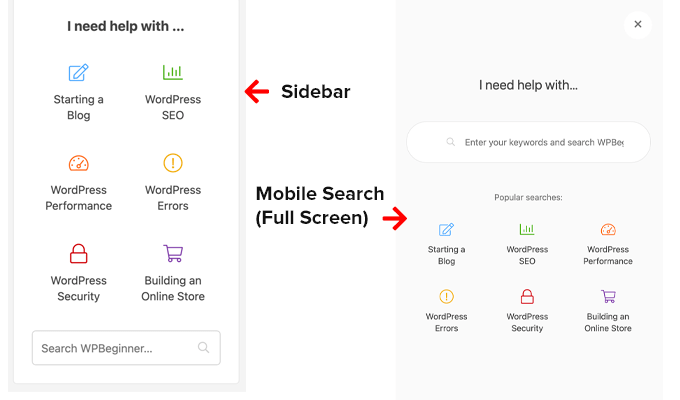
Performance represents another crucial redesign consideration.
Despite optimization attempts, persistent slow loading or failed performance assessments might indicate overly complex WordPress themes requiring lightweight alternatives.
Mobile compatibility follows similar patterns. If responsive design adjustments prove insufficient for mobile functionality, outdated themes may require replacement with mobile-optimized alternatives.
Website misalignment with current brand identity or service offerings justifies redesign consideration. Recent homepage updates have successfully enhanced brand representation within the WordPress community.
Finally, ineffective visitor conversion into customers or subscribers suggests redesign potential for improving business outcomes and strengthening digital presence.
If multiple indicators apply, subsequent sections provide comprehensive WordPress website redesign checklists covering pre-design, implementation, and post-launch phases.
Use the following navigation links for quick access to specific steps:
- Gather Website Performance Metrics
- Conduct WordPress Website Analysis
- Select Live Operation or Maintenance Mode
- Choose WordPress Redesign Approach
- Create Website Backup
- Launch Site and Perform Post-Launch Analysis
- Implement Ongoing Website Maintenance
- Common Questions About WordPress Website Redesigns
1. Gather Website Performance Metrics
You might question the necessity of performance data collection when already aware of traffic and conversion declines. However, quantitative validation remains essential.
Establishing performance benchmarks before redesign enables comparative analysis post-implementation. This methodology measures redesign effectiveness in achieving improved outcomes.
Numerous WordPress professionals utilize analytics plugins for Google Analytics integration. These tools provide performance metrics directly within WordPress administration interfaces.
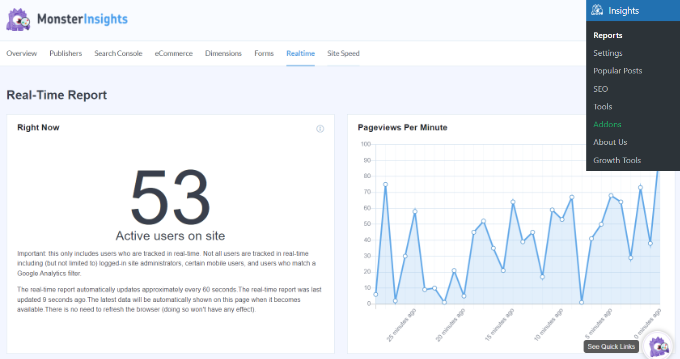
For WordPress redesign projects, consider these marketing metrics as baseline measurements:
- Total website traffic– Overall visitor numbers indicating site reach and redesign impact on visibility.
- Bounce rate– Percentage of single-page visitors indicating user engagement levels and site performance improvements.
- Conversion rate– Percentage completing target actions (purchases, subscriptions) measuring redesign effectiveness for goal achievement.
- High-performing pages– Frequently visited pages requiring protection during redesign and indicating audience preferences.
- Primary traffic sources– Visitor origins (search engines, social platforms) informing design adjustments for channel optimization and traffic maintenance.
- Average session duration– Typical visit length indicating content value enhancement through redesign.
- Pages per session– Average page views per visit suggesting navigation improvement and content exploration encouragement.
- Mobile versus desktop distribution– Device usage proportions guiding redesign focus toward predominant access methods.
Additional resources detail essential WordPress site metrics for tracking purposes.
Some analytics solutions include conversational interfaces for rapid data queries.
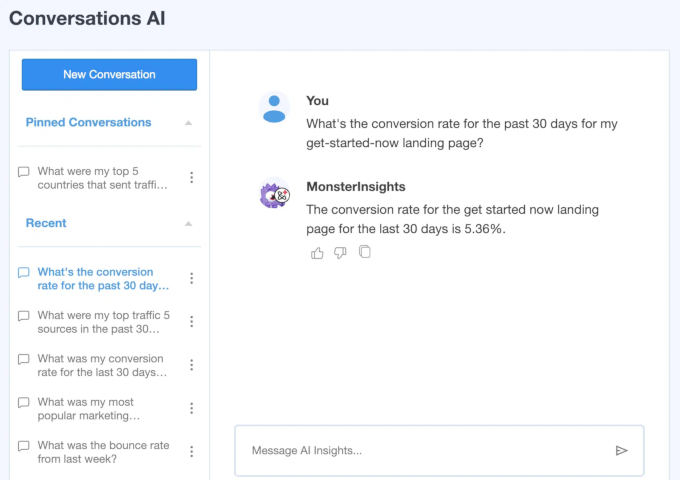
For instance, querying "previous month conversion rates" provides immediate access to essential information without navigating complex analytics reports.
2. Conduct WordPress Website Analysis
Before initiating WordPress redesign, understand factors influencing previously collected performance metrics. This understanding informs decisions regarding modifications and preservation.
Website analysis provides these insights through systematic evaluation of existing user experience.
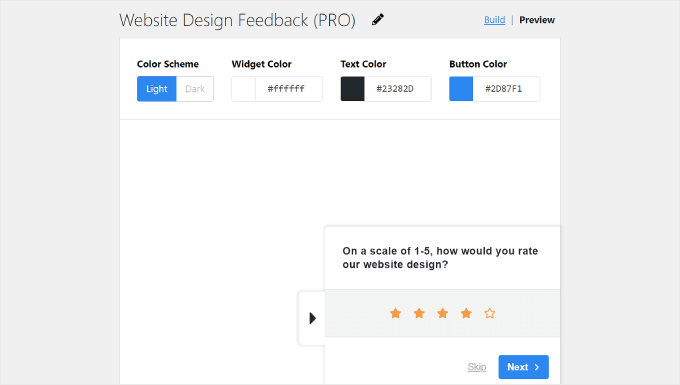
Direct user feedback collection reveals needs, preferences, and challenges through firsthand accounts.
Survey plugins facilitate this process through website-integrated questionnaires for visitor opinion gathering. These tools have demonstrated effectiveness across numerous implementations.
Comprehensive guides detail WordPress website design feedback collection methods, including user experience question compilations for visitor inquiries.