6 Practical Methods to Repair and Restore Your WordPress Database
Maintaining a healthy database is essential for any WordPress website's smooth operation. When database corruption occurs, it can result in various issues including error messages, blank screens, and complete loss of site functionality.
Many WordPress administrators encounter database problems at some point, and knowing how to address these issues can save significant time and frustration. This guide presents several effective approaches to diagnose and repair WordPress database problems.
This comprehensive guide covers multiple approaches to database repair. You can navigate directly to any section using the links below:
- Identifying Signs of Database Corruption
- Common Causes of Database Damage
- Verify and Update Database Credentials
- Using phpMyAdmin for Database Repair
- Database Repair Through WordPress Plugins
- Utilizing WordPress Built-in Repair Functionality
- Hosting Control Panel Database Repair Options
- Command Line Database Repair with WP-CLI
Identifying Signs of Database Corruption
The WordPress database stores all critical information required for your website's operation, including posts, pages, user accounts, media files, and configuration settings.
When database corruption occurs, several indicators may become apparent:
- White Screen of Death: A completely blank white page appearing instead of your website content often signals database issues.
- Database Connection Errors: Messages such as 'Error establishing a database connection' or 'Unable to select database' indicate communication problems with your database.

- Missing or Misformatted Content: When website content disappears or displays with incorrect formatting, database corruption may be the underlying cause.
- Plugin and Theme Malfunctions: Unexpected failures in plugins or themes can sometimes originate from database problems rather than the extensions themselves.
Understanding these warning signs helps administrators take timely action before problems escalate.
Common Causes of Database Damage
Recognizing potential causes of database corruption enables preventative measures to maintain database health.
Server-related issues such as power interruptions or hardware failures can corrupt database files. Security breaches targeting your website may also compromise database integrity.
Incorrect database credentials stored in the wp-config.php file frequently cause connection failures. Similarly, exceeding PHP memory limits on your server can generate database errors and potential corruption.
Now let's examine practical methods for addressing database problems.
1. Verify and Update Database Credentials
Verifying database credentials represents one of the simplest initial troubleshooting steps, particularly useful after migrating websites to new hosting environments.
WordPress stores database connection details in the wp-config.php file. Accessing this file requires using FTP software or your hosting provider's file management interface.
Within the file, locate these configuration lines:
// ** MySQL settings - You can get this info from your web host ** // /** The name of the database for WordPress */ define( 'DB_NAME', 'database_name_here' ); /** MySQL database username */ define( 'DB_USER', 'username_here' ); /** MySQL database password */ define( 'DB_PASSWORD', 'password_here' ); /** MySQL hostname */ define( 'DB_HOST', 'localhost' );
Ensure the database name, username, password, and host information matches what your hosting provider supplies.
Most hosting control panels provide database management sections where you can confirm these details. Typically, you'll navigate to your hosting dashboard, locate database management tools, and verify the credentials match those in your wp-config.php file.
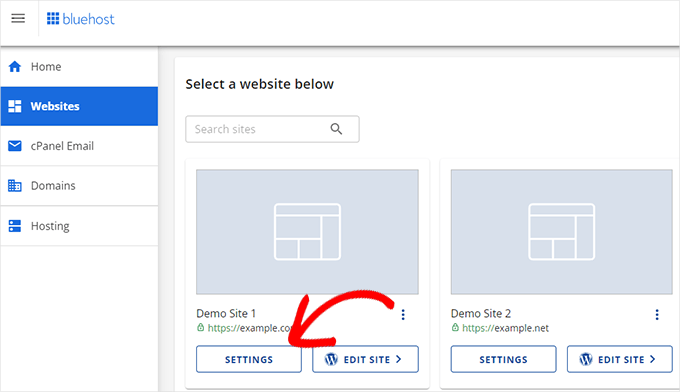
Access the advanced settings section and navigate to database management. Here you can view and manage your database connections.
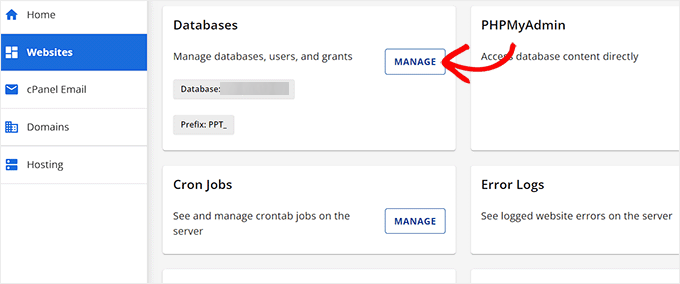
This typically opens MySQL database management within your hosting control panel.
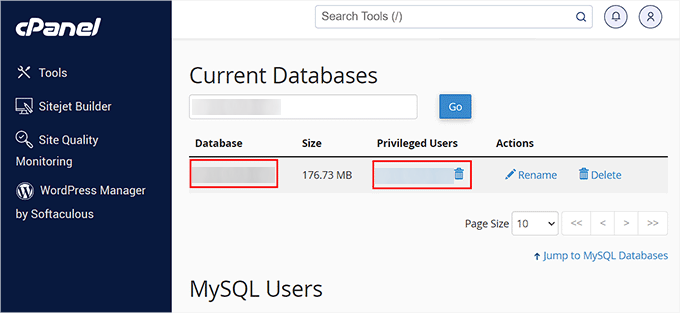
Current database information usually appears in a dedicated section. If discrepancies exist between displayed credentials and your wp-config.php file, update the configuration file accordingly.
2. Using phpMyAdmin for Database Repair
For administrators comfortable with database management, phpMyAdmin provides direct access to repair WordPress databases. This web-based interface manages MySQL databases through most hosting control panels.
Begin by accessing your hosting dashboard and navigating to the control panel interface. Look for database management tools or phpMyAdmin specifically.
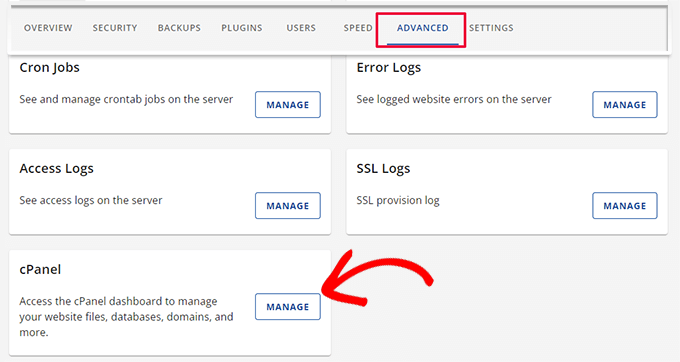
Once inside your hosting control panel, locate and select phpMyAdmin.
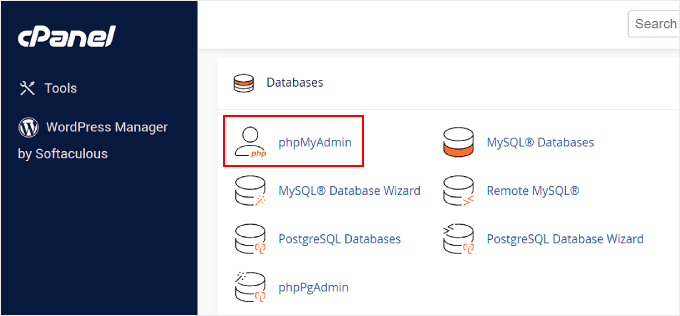
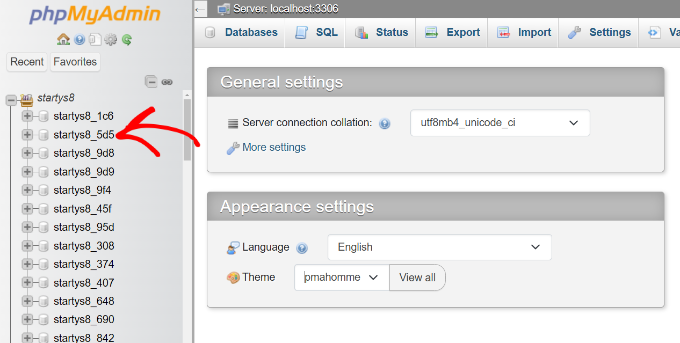
The phpMyAdmin interface will display available databases. Select your WordPress database from the navigation panel or database listing.
Database tables will appear in the main interface. Select all tables using the 'Check All' option, then choose 'Repair table' from the action dropdown menu.
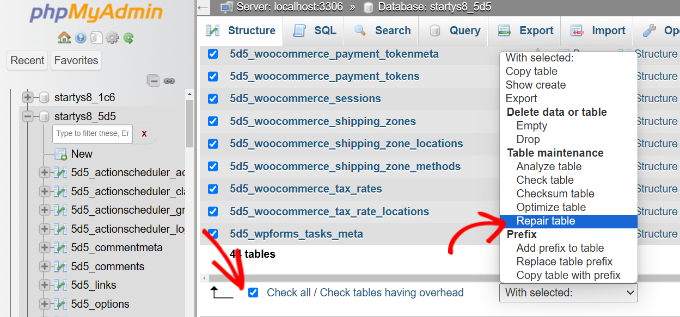
phpMyAdmin will then execute repair operations on the selected tables. This process addresses common database corruption issues and restores proper table functionality.