
Implement Video Schema Markup in WordPress: Two Practical Approaches
By WordPress Experts |
Video content serves as a compelling medium for brand storytelling within WordPress environments. Each video presents an opportunity to educate, engage, or establish connections with your audience.
The objective is ensuring this content becomes discoverable. This occurs when search engines can properly interpret and recognize the value your videos provide.
Video schema markup facilitates this process. Consider it as delivering a comprehensive summary of your video directly to search engines.
Implementing this markup on your website is more straightforward than many anticipate. Numerous WordPress professionals have refined these techniques to be both efficient and accessible for users at various skill levels.
Let's examine two effective methods for incorporating video schema markup into your WordPress site. Prepare your content for broader visibility.
The Importance of Video Schema Markup
Consider this scenario: you've invested significant time creating an exceptional video. After publishing, you anticipate substantial viewership and interaction.
However, days pass with minimal visibility in search results. Your content remains buried, potentially missing its intended audience despite your efforts.
Video schema markup addresses this challenge.
This specialized code enhances how search engines comprehend and present your video content within search results.
It supplies additional metadata about your videos, including titles, thumbnails, descriptions, publication dates, durations, and other relevant details.
Search engines utilize this information to generate enhanced search results, which typically appear as follows.

These enhanced results help your content stand out and can potentially improve organic click-through rates.
Without proper video schema markup, your content won't qualify for these enhanced display formats, representing a significant missed opportunity. Videos frequently appear prominently in search results within dedicated video sections, offering prime positioning.
When your content ranks in video search results, it becomes eligible for additional features like video previews and key moment highlights, allowing users to preview your content before clicking.
Beyond dedicated video sections, search engines also display video thumbnails alongside relevant search results.

The visual distinction between results with video thumbnails and those without is noticeable. Users demonstrate higher click-through rates when video previews accompany search listings.
Additionally, video schema markup helps search engines better understand your content, potentially improving overall page rankings. It can also accelerate indexing of new WordPress content when combined with other optimization practices.
Once you've embedded videos within your WordPress posts or pages, you're prepared to implement schema markup.
We'll demonstrate two approaches for adding video schema markup. Use the following navigation to access specific sections.
- Method 1: Implement Video Schema Markup Using SEO Plugins
- Method 2: Manual Video Schema Markup Implementation
- Video Schema Markup Best Practices
- Evaluating Video Schema Impact on SEO Performance
- Additional Application: Schema Markup for Local SEO
- Common Questions Regarding Video Schema Markup
Let's begin the implementation process.
Method 1: Implement Video Schema Markup Using SEO Plugins
The most accessible approach for adding video schema markup involves utilizing comprehensive SEO plugins for WordPress. These tools typically include schema generation features that simplify the process without requiring coding expertise.
Traditionally, implementing schema markup requires writing JSON-LD code and correctly integrating it into your webpage's HTML structure, followed by validation testing.
Step 1: Install and Configure Your SEO Plugin
Begin by installing and activating your preferred SEO plugin. Most plugins include setup wizards that guide you through initial configuration.
Step 2: Enable Video Sitemap Functionality
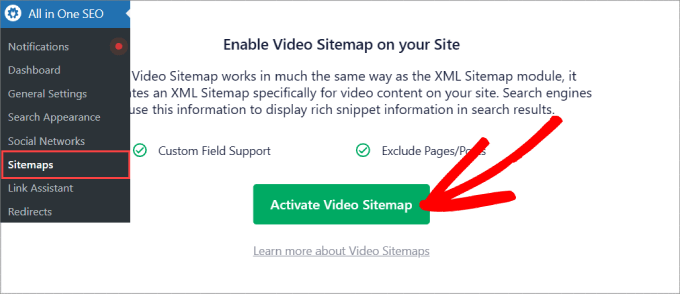
Before implementing schema markup, ensure your website has an active video sitemap. This XML file provides search engines with comprehensive information about your video content.
Video sitemaps enhance content discoverability and can accelerate ranking potential compared to waiting for organic discovery.
Access your plugin's sitemap settings and activate the video sitemap feature.
Navigate to the video sitemap section and verify that sitemap generation is enabled.
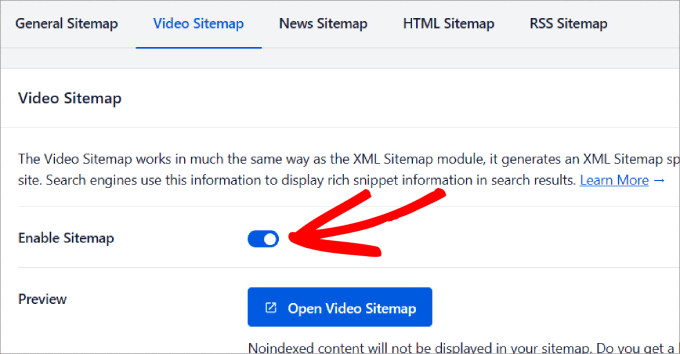
You can typically preview your sitemap through a dedicated link. This displays all video content with associated metadata.
Most plugins allow customization of which post types and taxonomies appear in your sitemap.
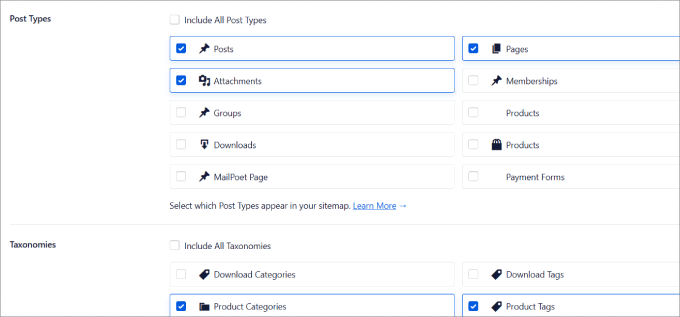
Deselect any content types or categories you prefer to exclude from the sitemap.
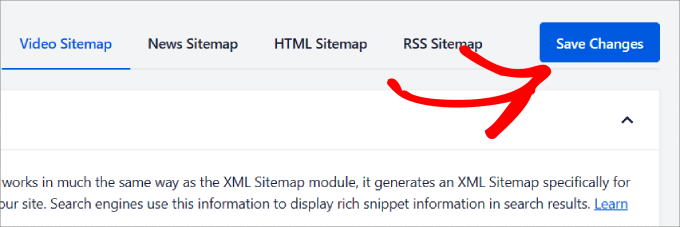
Remember to save any configuration changes.
Step 3: Apply Video Schema Markup to Content
With your video sitemap configured, navigate to any post or page containing video content.
Access your SEO plugin's settings for that specific content, typically located in a meta box below the editor. Locate the schema generation section and initiate the process.
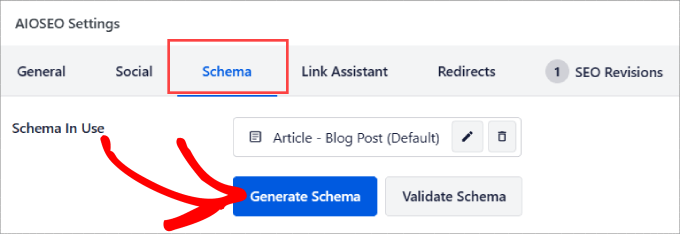
A dialog window typically displays available schema templates. Select the video schema option.