Implement a 'Jump to Recipe' Button in WordPress: Two Practical Methods
Food bloggers frequently inquire about features that significantly enhance their readers' experience.
Based on observations across numerous culinary websites, implementing a jump to recipe button stands out as one of the most impactful improvements you can adopt.
This minor adjustment greatly assists visitors in quickly locating essential information. Fortunately, it's straightforward to implement on any WordPress platform.
After evaluating various approaches, two reliable methods consistently deliver excellent results. Both techniques are accessible to beginners and can be operational within minutes.
Why Include a Jump to Recipe Button in Culinary Content?
A "Jump to Recipe" button functions as a navigational element positioned near the beginning of blog posts. Technically, it operates as an HTML anchor that immediately scrolls the browser window to the recipe section, bypassing introductory material.
Readers often express frustration about navigating through lengthy narratives and advertisements to find ingredient lists. While comprehensive content supports monetization strategies, many visitors require immediate access to cooking instructions while preparing meals or shopping for ingredients.
Incorporating this feature allows you to accommodate both reader types. You can maintain engaging storytelling for dedicated followers while providing efficient shortcuts for users seeking quick information.
This enhancement improves overall user experience on your website. When visitors can easily find what they need, they're less likely to return to search results prematurely.
With these considerations in mind, we'll demonstrate two straightforward approaches to add a Jump to Recipe button to your food blog: utilizing a specialized recipe plugin and implementing custom code. Use the following navigation to proceed directly to your preferred method:
- Method 1: Utilize a Recipe Plugin to Add a Jump to Recipe Button (Recommended)
- Method 2: Implement Custom Code to Add a Jump to Recipe Button (Free)
- Additional Recommendations to Enhance Your Food Blog's User Experience
- Common Questions About WordPress Button Implementation
Method 1: Utilize a Recipe Plugin to Add a Jump to Recipe Button (Recommended)
The simplest approach to implement a Jump to Recipe button in WordPress involves using a dedicated recipe plugin.
Many experienced bloggers recommend specialized recipe card plugins that have undergone extensive testing. These tools typically offer numerous features that culinary website owners appreciate.
Beyond the Jump to Recipe functionality, comprehensive recipe plugins often include printable recipe options and automatic unit conversion capabilities.
Additionally, these solutions can clearly present nutritional information, preparation time, serving quantities, and user ratings in an organized format.
While some recipe plugins require a paid subscription, they represent valuable investments for serious food bloggers focused on building sustainable online platforms.
To begin using such a plugin, you'll typically need to purchase an appropriate plan. Options usually include comprehensive bundles or standalone recipe plugins.
After completing your purchase, download the plugin and install it on your WordPress website. Consult standard WordPress documentation for plugin installation guidance if needed.
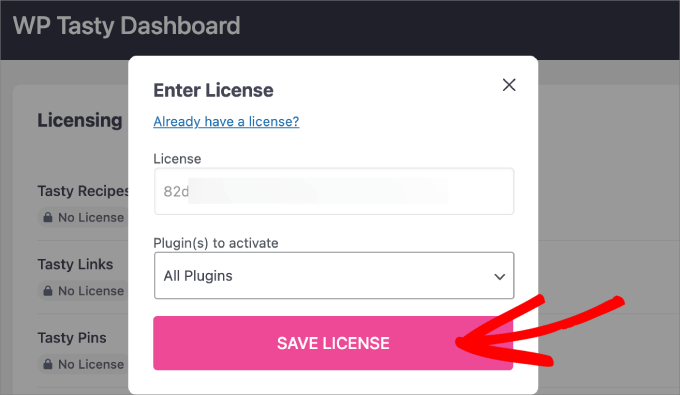
Following installation, navigate to the plugin's dashboard section within your WordPress administration area and locate the license activation section.
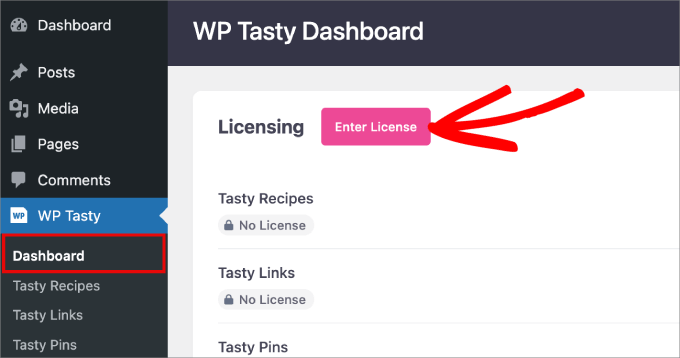
Next, enter your plugin's license key, which is typically provided via email after purchase completion.
Then, select the appropriate plugin activation option from the available dropdown menu and save your license information.
Once activated, access the recipe plugin's settings page from your WordPress dashboard and switch to the configuration tab.
Typically, options for Jump to Recipe and Print Recipe buttons are enabled by default, but you can verify these settings.
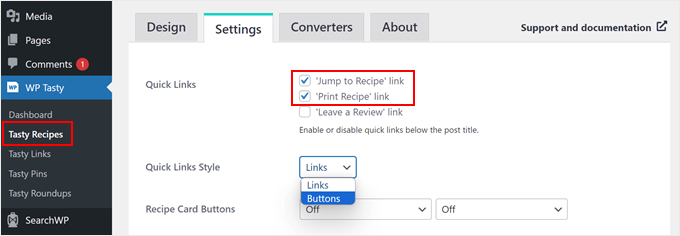
You can customize the button presentation style according to your preferences.
Some plugins offer the option to display the Jump to Recipe feature as a standard text link rather than a button. Select the "Links" option if this presentation aligns with your design preferences.
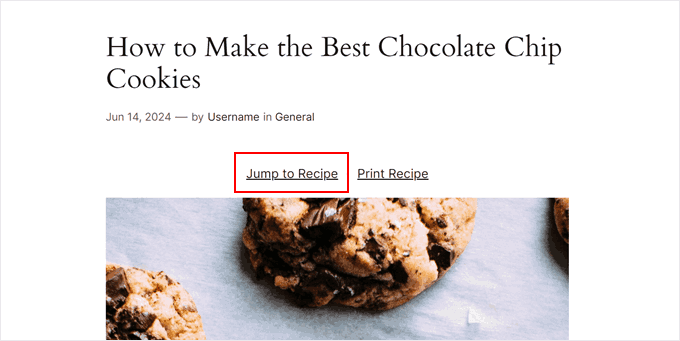
Alternatively, choose the button presentation if you prefer more prominent visual elements.
Button formats often attract more attention, making them easier for readers to identify quickly.

Most recipe plugins include numerous additional configuration options, such as ingredient checklist functionality and recipe scaling capabilities. Enable the features that best suit your website's requirements.
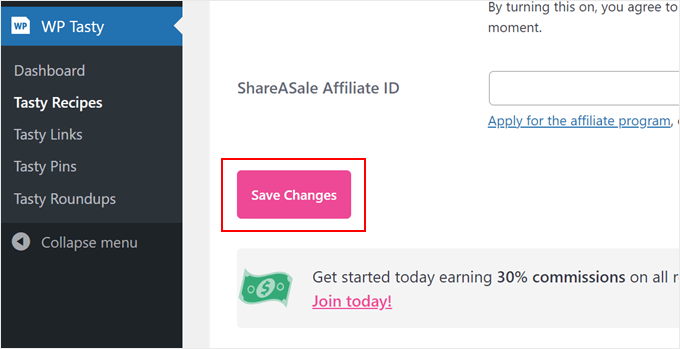
After adjusting your preferences, scroll to the bottom of the settings page and save your changes.
Once configured, the Jump to Recipe and Print Recipe buttons will automatically appear whenever you utilize the plugin's recipe card functionality.
To implement recipe cards, create new recipe content or edit existing posts using the block editor. Consult WordPress documentation for detailed guidance on adding recipe card blocks.
A significant advantage of using dedicated recipe plugins is the smooth scrolling effect they typically provide. This ensures readers navigate directly to recipe instructions without abrupt page movements.

Implementing similar smooth scrolling effects through custom code can be complex, often requiring JavaScript implementation or theme file modifications. Therefore, the plugin approach is generally recommended for most users.
However, if you prefer a cost-free solution, consider the following alternative method.
Method 2: Implement Custom Code to Add a Jump to Recipe Button (Free)
Manually adding a Jump to Recipe button might seem challenging for beginners, but we'll guide you through each step systematically.
If this represents your first experience with custom code implementation in WordPress, consider using a dedicated code snippet management plugin.
Many developers recommend code snippet plugins that provide safe, straightforward methods for inserting code without modifying theme files directly. This approach minimizes potential risks to your website's layout or functionality.
To utilize such a plugin, install it through your WordPress administration dashboard following standard plugin installation procedures.