13 Actionable Strategies to Enhance User Experience on WordPress Sites
By WordPress Specialist |
You've invested significant effort into building your WordPress website. The visual design appears polished, your content is well-crafted, and your offerings are competitive. Yet something isn't working as expected. Visitors aren't engaging deeply, and your desired outcomes remain elusive.
This scenario is common among website owners. Frequently, the problem isn't the substance of your site but rather how visitors perceive and interact with it.
Suboptimal user experience can quietly undermine your business objectives. When a site loads slowly, presents confusing navigation, or feels difficult to use, potential customers often depart quickly, seeking alternatives that provide a more seamless interaction.
The encouraging aspect is that addressing these issues doesn't require advanced technical skills or costly development resources. Strategic, straightforward enhancements can significantly improve how users engage with your WordPress platform.
This guide presents thirteen practical methods that have proven effective for improving user experience across WordPress websites. Implementing these adjustments can lead to noticeable improvements in visitor retention and conversion rates.
The Importance of User Experience for WordPress Websites
User experience refers to how straightforward and satisfying visitors find using your WordPress website, whether they're reading articles, exploring services, or completing purchases.
Consider the analogy of visiting a well-organized physical store. When products are logically arranged and the checkout process is efficient, customers tend to spend more time browsing and are more likely to make purchases.
Similar principles apply to websites: intuitive navigation menus, rapid loading times, and uncluttered designs help maintain visitor engagement.
Conversely, websites that are confusing, slow to respond, or overloaded with elements often frustrate users, prompting them to leave. Research indicates that even a one-second delay in page loading can reduce conversion rates by approximately seven percent.
Therefore, optimizing user experience isn't merely beneficial—it's essential for online success. Thoughtful design decisions make your site more usable and help direct visitors toward desired actions, whether subscribing to newsletters or completing transactions.
Many of these improvements can be implemented without extensive technical knowledge. The following sections detail the most impactful approaches.
Here is a summary of the strategies covered in this guide:
- Strategy 1: Develop Audience Understanding
- Strategy 2: Conduct a UX Assessment
- Strategy 3: Utilize Analytics for UX Decisions
- Strategy 4: Ensure Mobile Compatibility
- Strategy 5: Enhance Accessibility Features
- Strategy 6: Streamline Navigation and Search
- Strategy 7: Adopt Clean, Minimalist Design Principles
- Strategy 8: Optimize Content Presentation
- Strategy 9: Improve Website Performance
- Strategy 10: Implement A/B Testing
- Strategy 11: Curate Content Strategically
- Strategy 12: Foster User Engagement
- Strategy 13: Build Community Through Communication Tools
- Additional Strategy: Identify Design Issues Through Visual Testing
Let's begin exploring these methods.
Strategy 1: Develop Audience Understanding
Before enhancing your WordPress site's user experience, you must identify who you're designing for. Creating user personas—fictional profiles representing typical visitors—provides an excellent starting point.
For instance, if your WordPress blog serves busy parents, one persona might represent a working mother seeking time-saving advice, straightforward guides, and practical parenting solutions. We could name this persona "Sarah."
Developing user personas helps tailor your website's features and content to better address audience needs. Various online tools can assist in creating these profiles effectively.
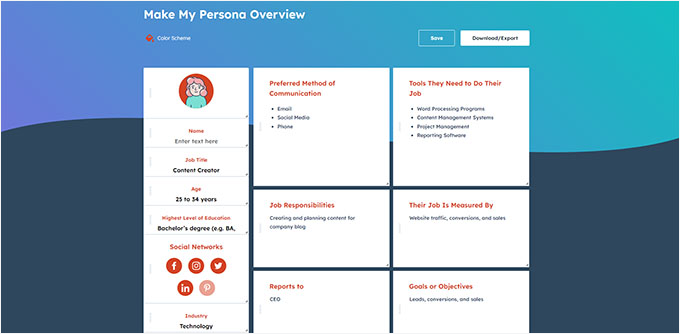
Understanding your users facilitates more informed design and content decisions that genuinely assist them.
For established websites, gathering direct visitor feedback becomes particularly valuable. Even basic feedback surveys can reveal important insights about navigation, design, or content effectiveness.
Instant feedback can be collected using specialized survey tools designed for website visitors. For example, you might create a feedback form asking first-time visitors about their initial impressions and any difficulties encountered.
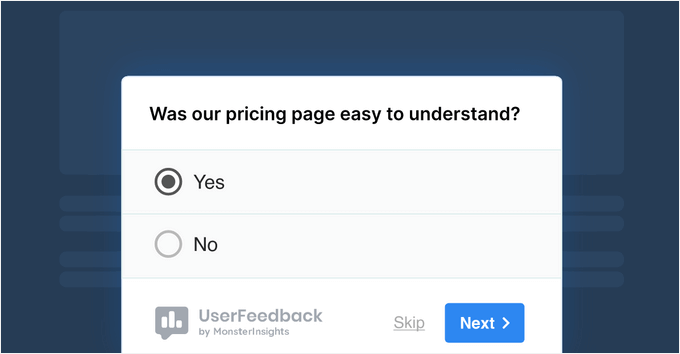
Consider asking specific user experience questions such as "Did you find this page helpful?" or "What information were you hoping to locate?" This approach yields direct, actionable feedback.
For gathering input from existing customers, various form-building tools are available. You might conduct a brief poll asking users which new website features they would prioritize.
The deeper your understanding of your audience, the more effective your UX decisions will become, increasing the likelihood that visitors will remain engaged, explore your content, and take desired actions.
Strategy 2: Conduct a UX Assessment
A user experience assessment involves examining your website thoroughly from a visitor's perspective. This process helps identify elements that may cause confusion, allowing for timely corrections.
Begin by testing your site for usability concerns. Evaluate how easily someone can navigate your pages, locate necessary information, or complete specific actions.
Even seemingly minor issues, such as poorly positioned or inconspicuous buttons, can adversely affect user experience.
Many experienced developers recommend walking through critical processes on your site—like submitting contact forms or completing purchases—exactly as a first-time visitor would.
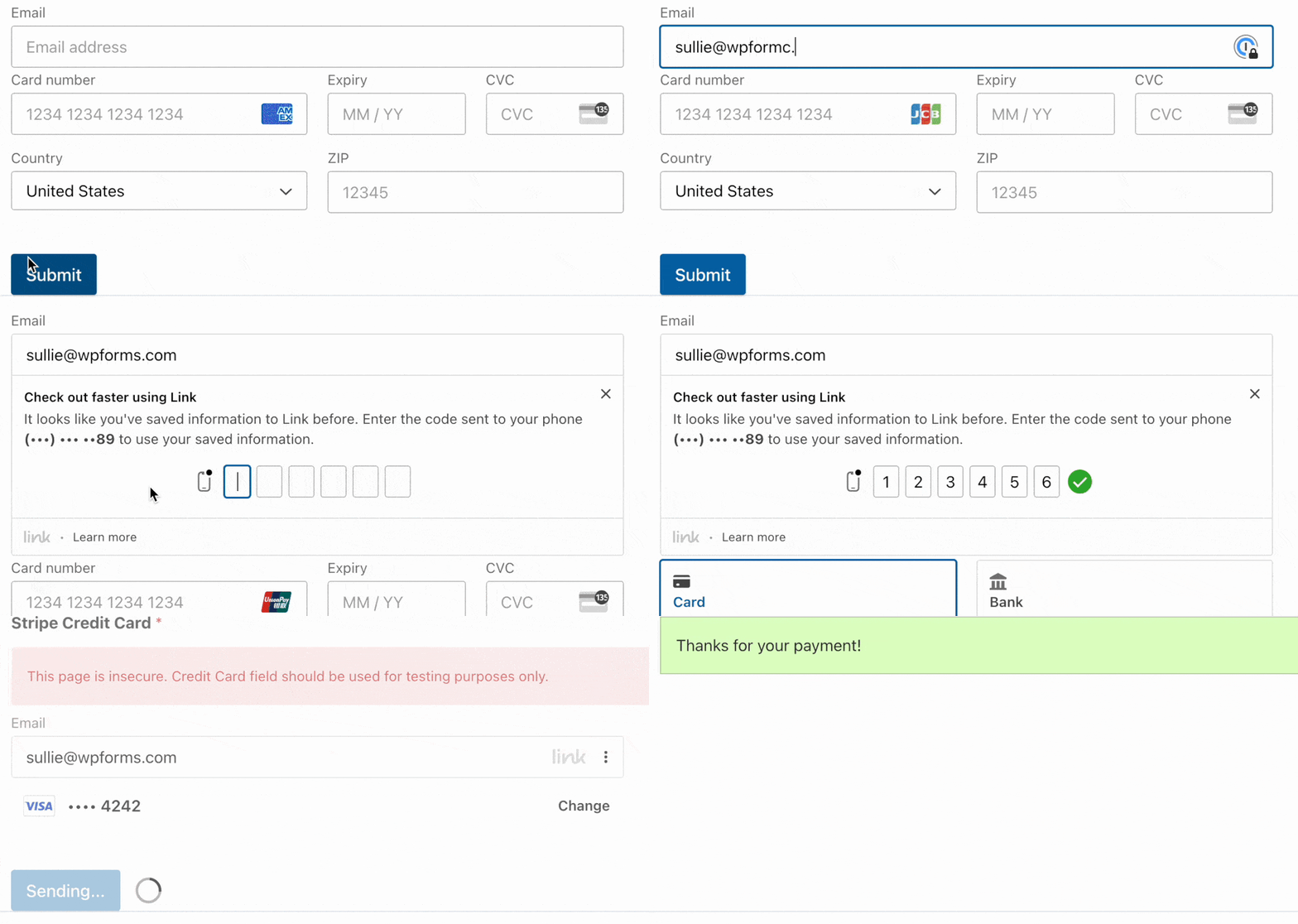
Document any steps that feel unclear, slow, or frustrating—these represent pain points and bottlenecks requiring attention.
Tracking the time required to move from discovering a feature to completing the intended action can also provide valuable insights. This measurement helps establish typical conversion timelines for specific user actions.
Strategy 3: Utilize Analytics for UX Decisions
User experience extends beyond visual design to encompass how people actually interact with your site. Analyzing relevant data enables informed decisions that enhance usability and drive better outcomes.
Heatmaps and session recordings offer powerful methods for observing visitor interactions with your pages. Several specialized tools provide these capabilities.
Heatmaps create visual representations showing where users click, move their cursors, and how far they scroll on specific pages. Session recordings allow you to review replays of actual user visits.
These tools prove particularly valuable for identifying areas where visitors might experience confusion, what elements attract their attention, and which layout components they might overlook.
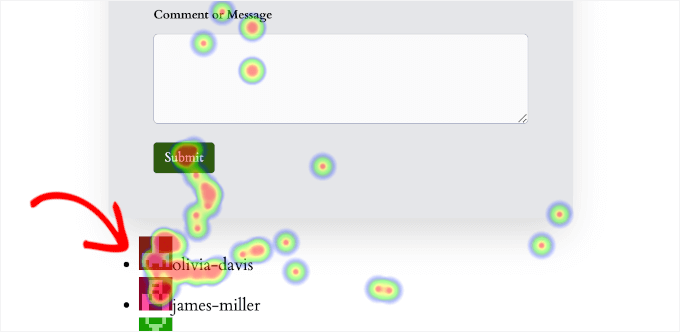
For example, you might discover that users attempt to click on non-interactive elements or fail to scroll sufficiently to view important calls-to-action. Such direct observations enable targeted improvements to your design and user guidance.
While heatmaps reveal interactions on individual pages, understanding broader patterns across your entire website requires comprehensive analytics. Website analytics platforms provide this broader perspective.
Some analytics solutions can be technically complex for beginners. Many WordPress specialists recommend using dedicated plugins that simplify data presentation within the WordPress dashboard, making complex reports more accessible and focusing attention on information that can improve site performance.